

All articles
Building Products / 3 minutes read
The Hidden Cost of Using Separate Tools for Feedback and Task Management
February 3, 2026
Using specialized tools often feels like the “professional” choice.One tool for collecting feedback.Another for managing tasks.Maybe a third for roadmaps.On paper, this setup looks clean. In reality, it introduces hidden costs that many teams underestimate.
Context switching kills momentum
Every handoff between tools adds friction:
- Copying links between platforms
- Manually syncing statuses
- Re-explaining context to teammates
As teams grow, these micro-inefficiencies compound into real delays, slower decisions, and lost momentum.
Users feel the disconnect too
From a user’s perspective, feedback often disappears into a black box.They don’t know:
- Whether their request was accepted
- When work actually started
- If the idea is still relevant
This lack of visibility erodes trust and reduces long-term engagement.
Tool sprawl also means higher costs
There’s another problem teams often overlook:pricing.With a fragmented workflow, you’re likely paying for multiple tools at the same time:
- Canny, FeatureBase or UserVoice for feedback
- Linear, Jira, or Trello for task management
- Additional tools for roadmaps or changelogs
Each subscription might seem reasonable on its own, but together they add up quickly—especially as your team scales.
One workflow beats many tools
A unified workflow doesn’t replace good execution—it removes unnecessary barriers.When feedback and tasks live in the same system:
- Context stays intact
- Progress is easier to track
- Both teams and users see the full picture
Less syncing, fewer tools, lower cognitive load.
Suggix: built user-first, priced simply
Suggix is designed from the ground up around real, user-facing product workflows — not stitched together from multiple disconnected tools.
Instead of juggling separate systems for feedback, tasks, roadmaps, and announcements, Suggix brings everything into a single, coherent workflow. Every piece of user input can flow naturally from idea to execution to release, without losing context along the way.
With Suggix, you get:
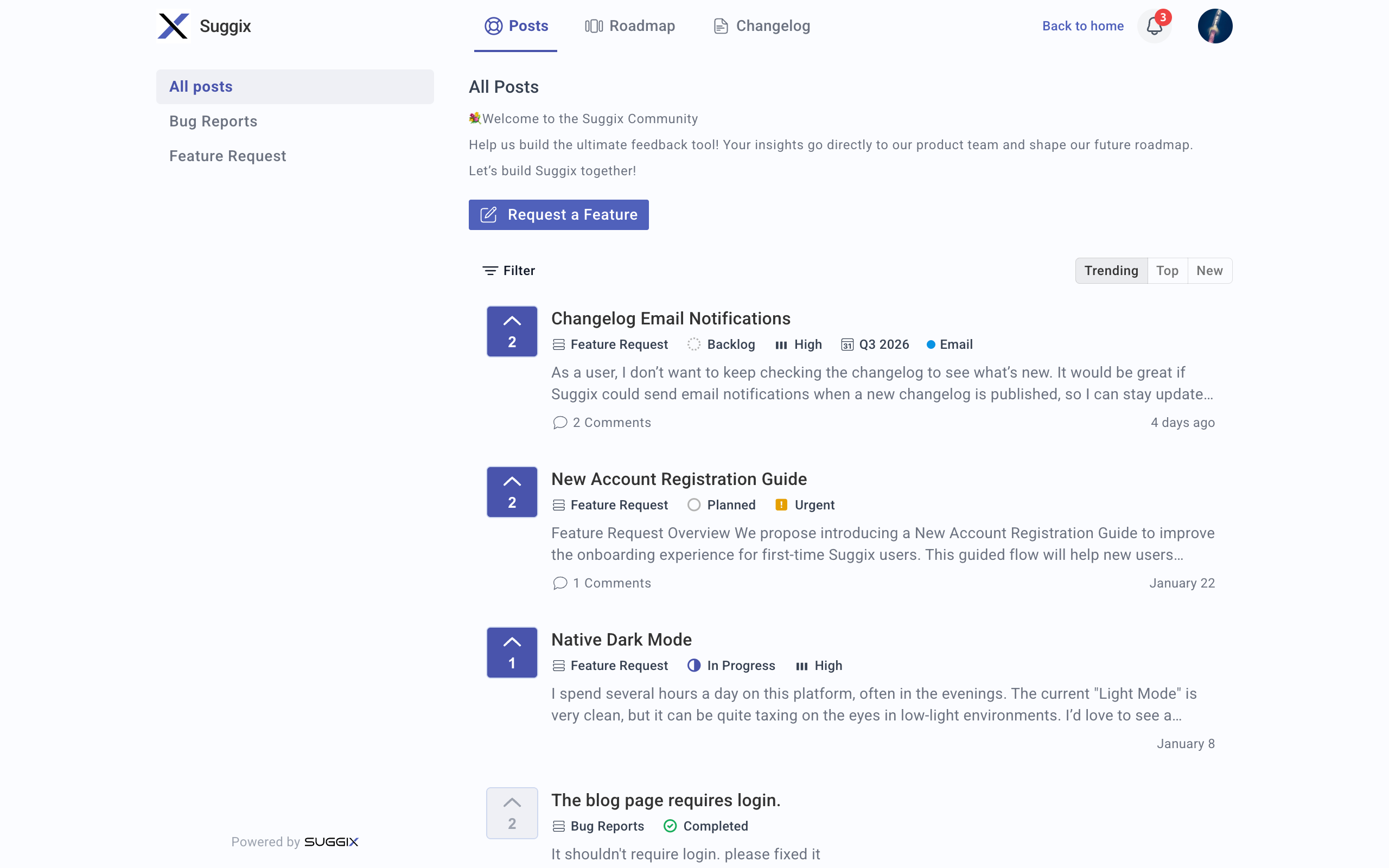
1. Feedback Collection
Capture feedback directly from users in one centralized inbox. Collect feature requests, bug reports, and ideas, keep them organized, and maintain full context on who requested what and why.
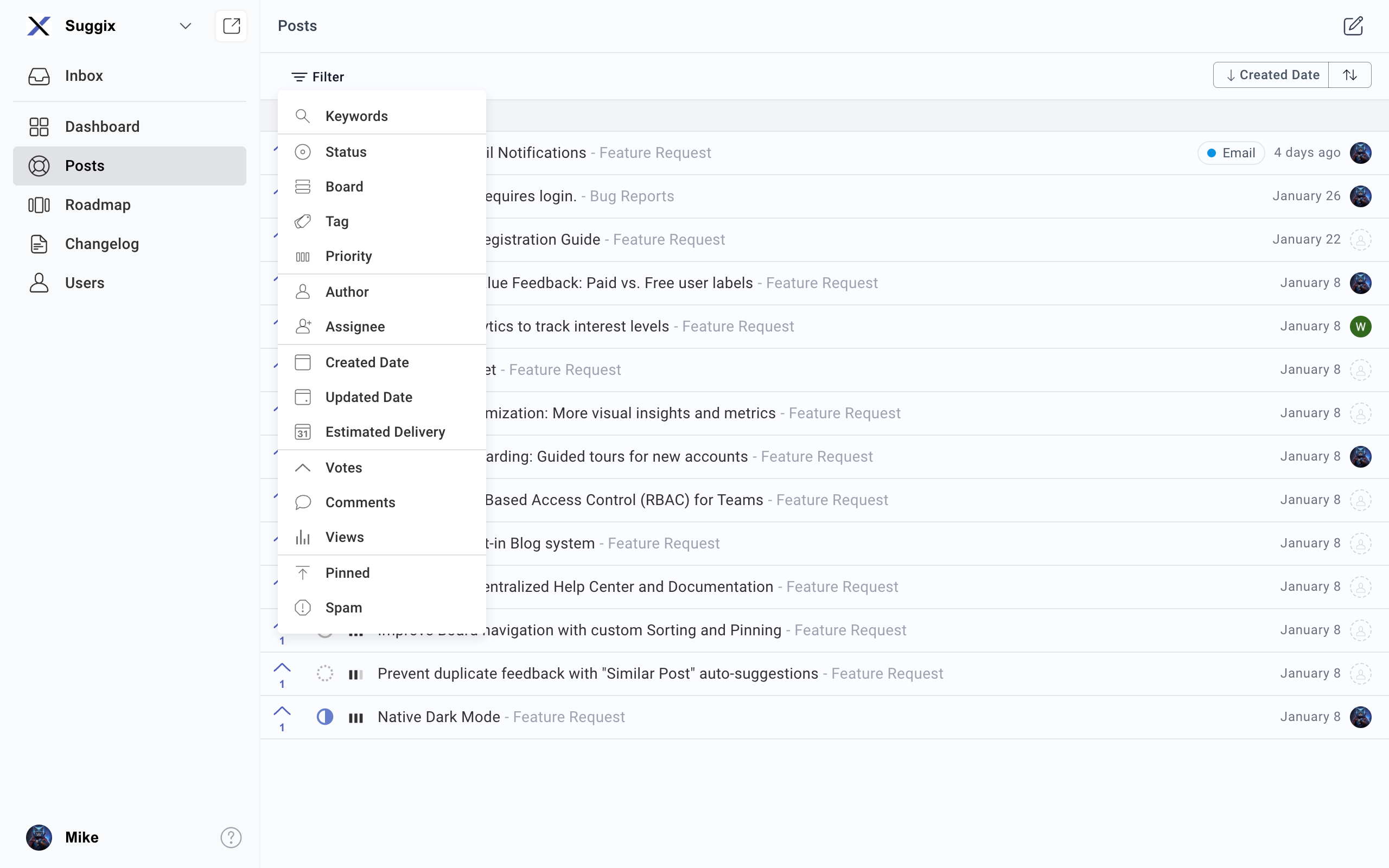
2. Task Management
Turn feedback into actionable work with clear status, priority, ownership, and deadlines. Align teams around what needs to be built next and ensure nothing falls through the cracks.
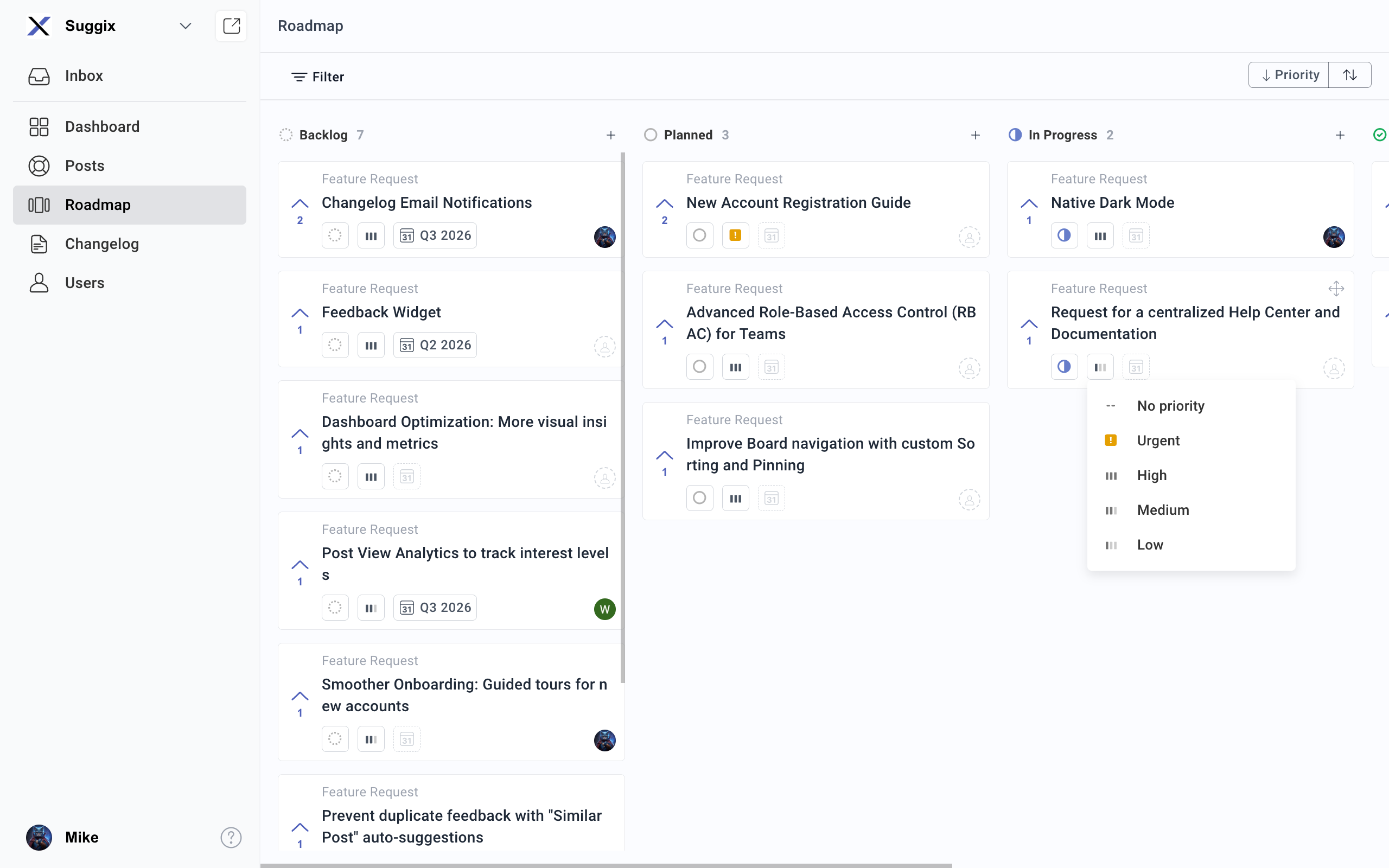
3.Product Roadmap
Visualize progress and communicate direction with a transparent product roadmap. Connect roadmap items directly to real user feedback, so priorities are driven by actual demand, not assumptions.
4.Changelog
Close the feedback loop by announcing updates and improvements in a clear, structured changelog. Let users see how their input turns into real product improvements, building trust and long-term engagement.
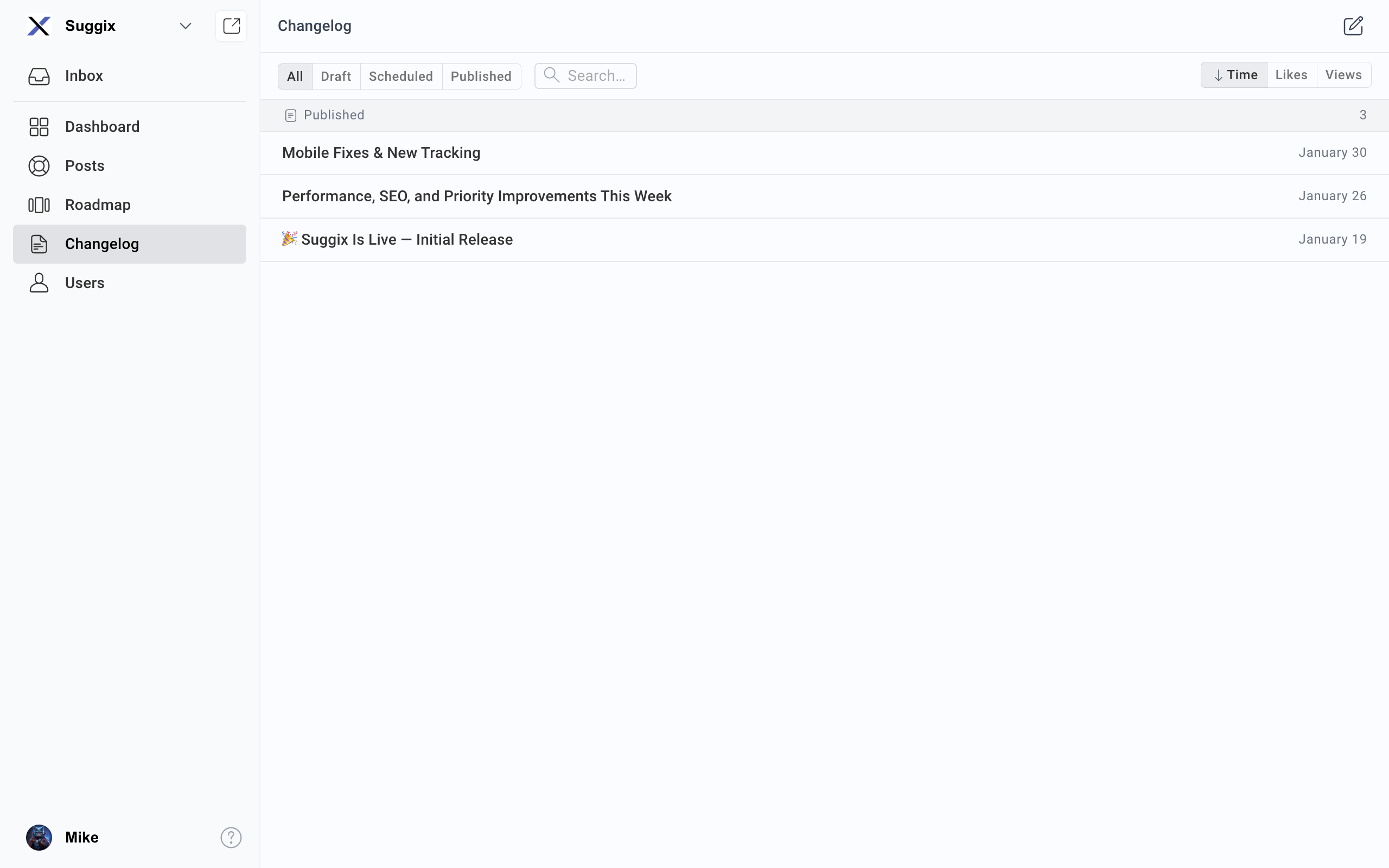
All connected. All visible. All in one place.Most importantly, you don’t need to pay twice—or three times—for overlapping tools just to keep feedback and execution in sync.
Conclusion
More tools don’t automatically create better workflows.Often, they create more cost, more friction, and more blind spots.Simplifying the path from user input to product output isn’t just cleaner—it’s faster, more transparent, and more cost-effective.
Build what users love, together
Collect feedback, prioritize features, and keep your roadmap aligned with what actually matters.
Get Started — It’s FreeNo credit card required · 14-day free trial · Setup in minutes