

Blog
Insights on customer feedback, product strategy, SaaS growth, and building better user experiences.

Comparisons
Why Using Trello as a Public Roadmap Fails in 2026 (And What to Use Instead)
Using a trello public roadmap is a common rite of passage for early-stage software companies aiming to project transparency, but generic Kanban boards quickly become unmanageable as user volume scales. Because Trello was designed as interna

Mike Watson
November 5

Building Products
How to Decline Feature Requests Politely: 7 Email Templates for SaaS PMs (2026)
Learning how to decline feature requests without alienating valued customers is the most crucial communication skill for any growing SaaS product manager. Every unqualified 'yes' dilutes your product vision, bloats technical debt, a
Mike Watson
November 3

Building Products
How to Manage Customer Feature Requests with GitHub Issues in 2026 (Without Backlog Clutter)
Allowing end users to submit feature requests directly into your engineering repository inevitably drowns core developers in duplicate tickets, vague suggestions, and noisy notification emails. To achieve sustainable github feature request
Mike Watson
October 30

Comparisons
6 Best UserVoice Alternatives for B2B SaaS Teams in 2026 (No Sales Call Required)
Stuck behind a mandatory 45-minute sales demo just to find out how much customer feedback software costs? If your B2B SaaS team is tired of quotes starting at $12,000+ per year with quarterly lock-ins for legacy ticketing software, you are
Mike Watson
October 29

Building Products
What Is SGI (Super General Intelligence)?
Artificial General Intelligence (AGI) has long been considered one of the biggest milestones in artificial intelligence. But what if AGI is not a distant future event? What if AI has already crossed the threshold in some of the most demandi
Mike Watson
October 13

Building Products
OpenAI Dots + Suggix: From Handling Feedback to Actually Fixing Problems
Yesterday, September 29, 2026, OpenAI officially introduced Dots, a new kind of AI assistant. In simple terms, Dots is quite different from the Codex you may already be using. Codex is more like an AI developer living on your own computer
Mike Watson
September 30
Building Products
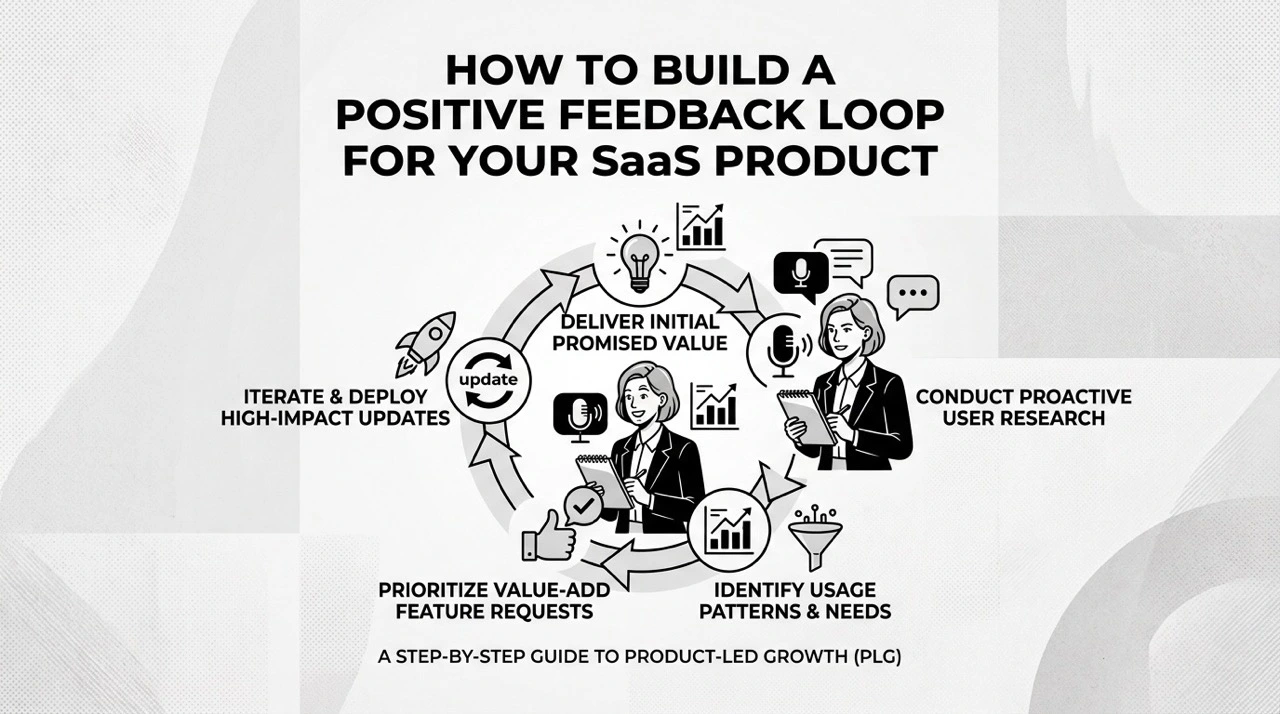
How to Build a Positive Feedback Loop for Your SaaS Product
Customer feedback is more than a list of feature requests. For a SaaS product, a good feedback process can influence what you build, help prioritize your roadmap, and keep users engaged with the product. A simple feedback loop looks like
Mike Watson
September 20
Building Products
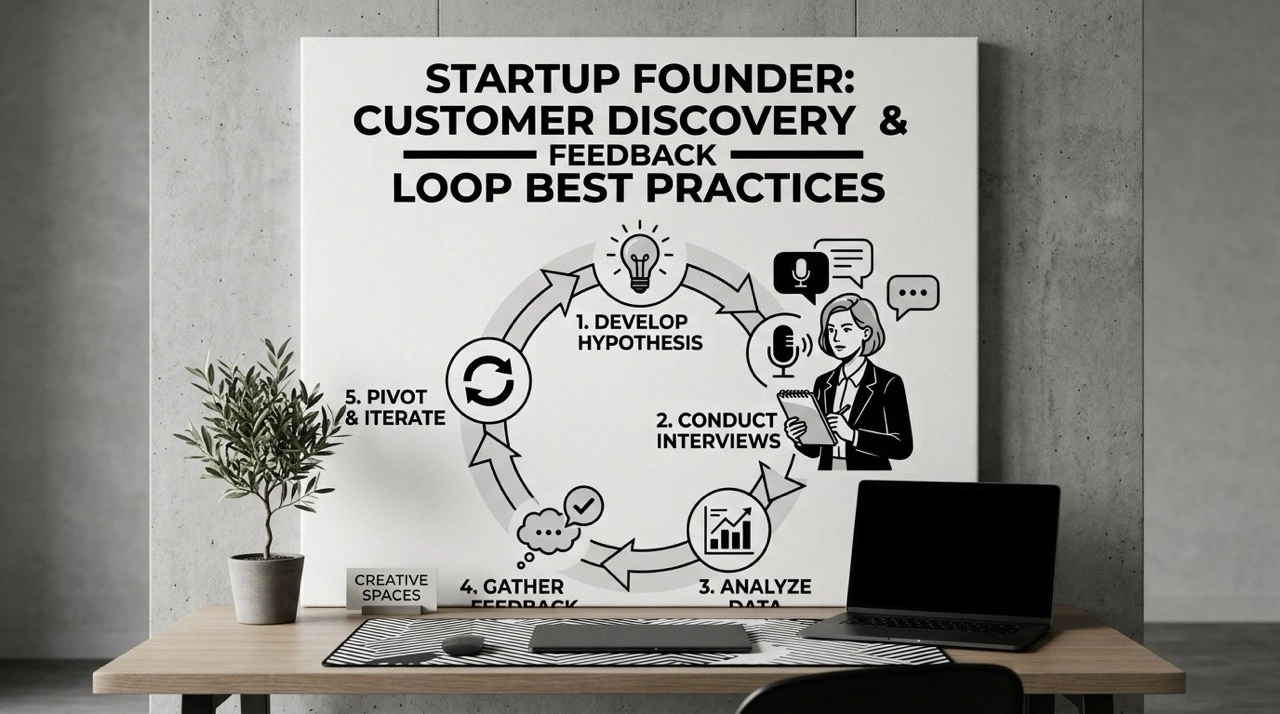
Startup founder customer discovery feedback loop best practices
For startups, the hardest part is often not whether you can build the product, but: Are you building something people actually need? Large companies can rely on their brand, distribution, and sales teams to create many opportunities for e
Mike Watson
September 20

Customer Stories
How I Use MCP to Turn Product Feedback Into Development Tasks
Customer feedback usually ends up in one place, while the actual development work happens somewhere else. A user reports a problem. Someone needs to read it, understand it, turn it into a development task, find the relevant code, make the
Mike Watson
September 17

Building Products
A Discussion on Self-Evolving SaaS Systems
GPT-6 Astra was just released recently, and people are saying it’s the generation closest to AGI so far. Does that mean AI won’t just be able to write code in the future, but potentially automate the entire software development lifecycle?
Mike Watson
September 11
Building Products
How to Collect, Organize, and Track Product Ideas
Product ideas pile up fast. They end up scattered across emails, Slack, support tickets, spreadsheets, and customer conversations. Without a clear system, it's easy to lose track of what customers want, which ideas are worth building,
Mike Watson
September 2
Building Products
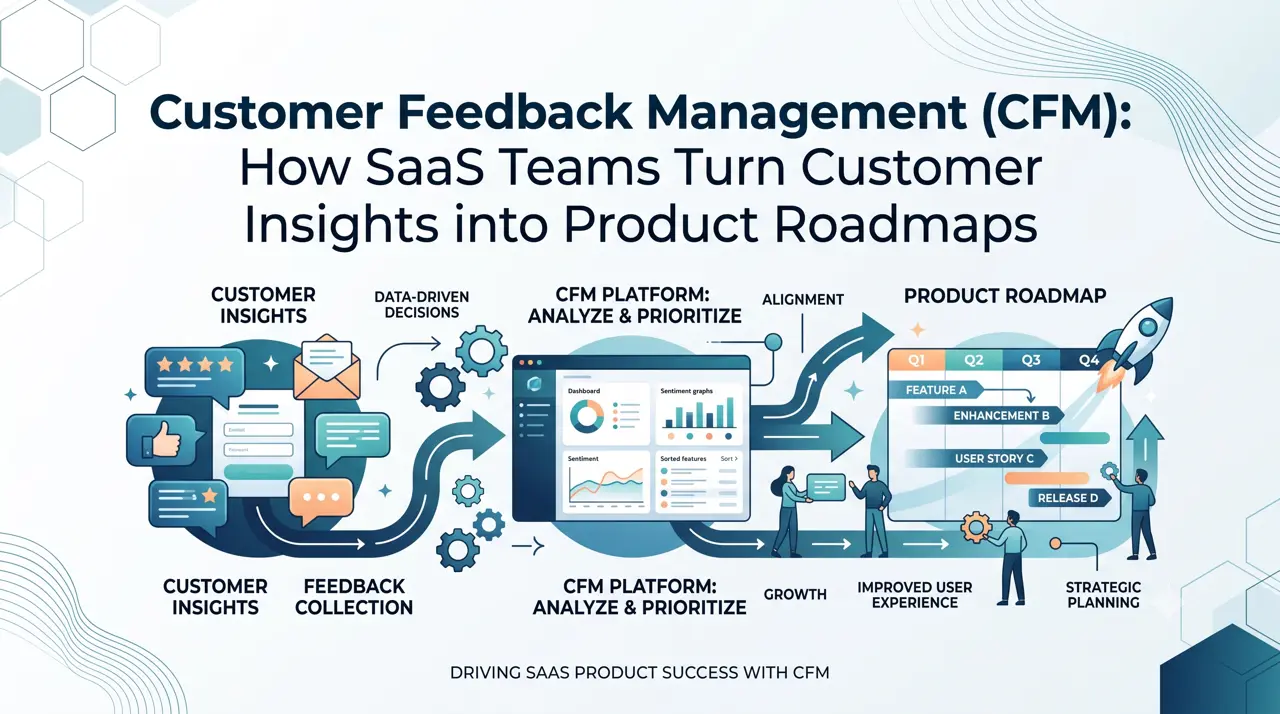
Customer Feedback Management (CFM): How SaaS Teams Build Better Products with Customer Insights
Building a successful SaaS product is no longer about simply shipping more features. In today’s highly competitive software market, every company can build faster than ever before. AI-powered development tools have dramatically reduced the
Mike Watson
July 30